What Is the Skin Barrier?
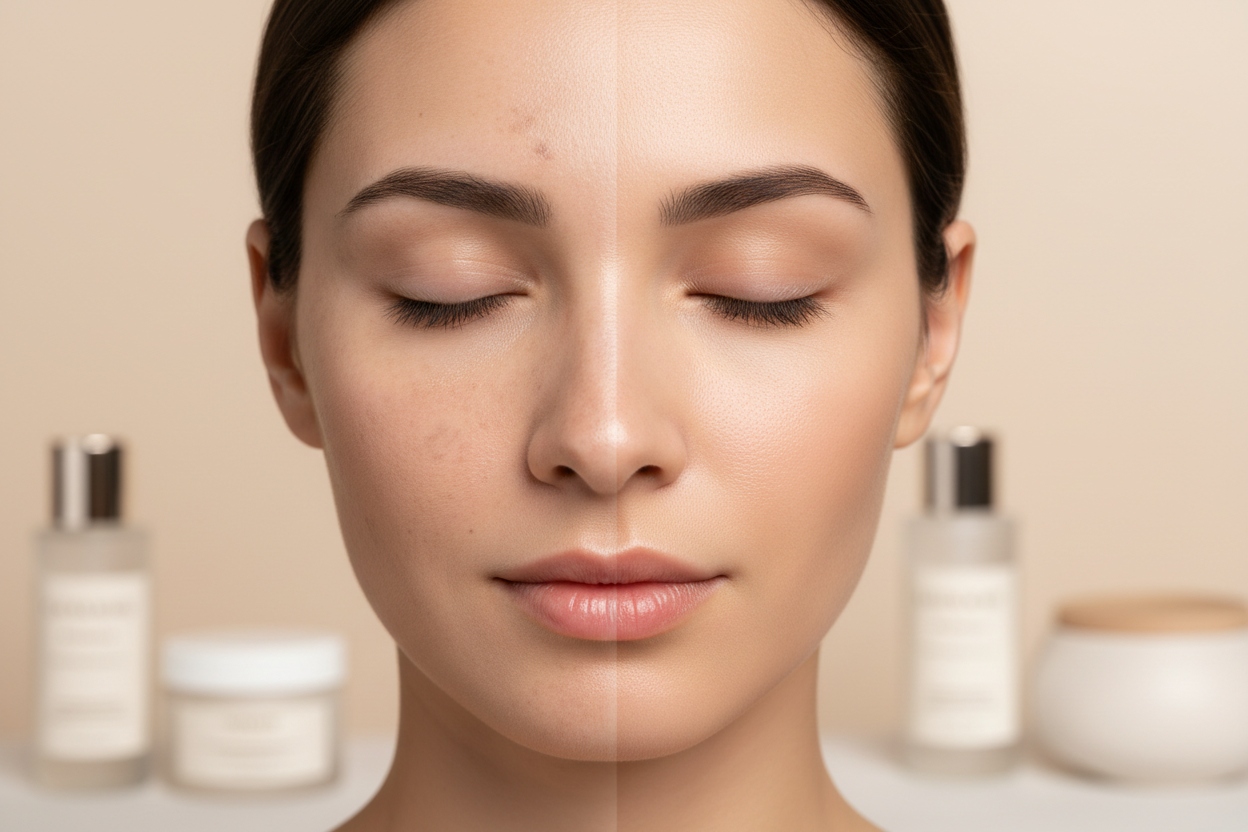
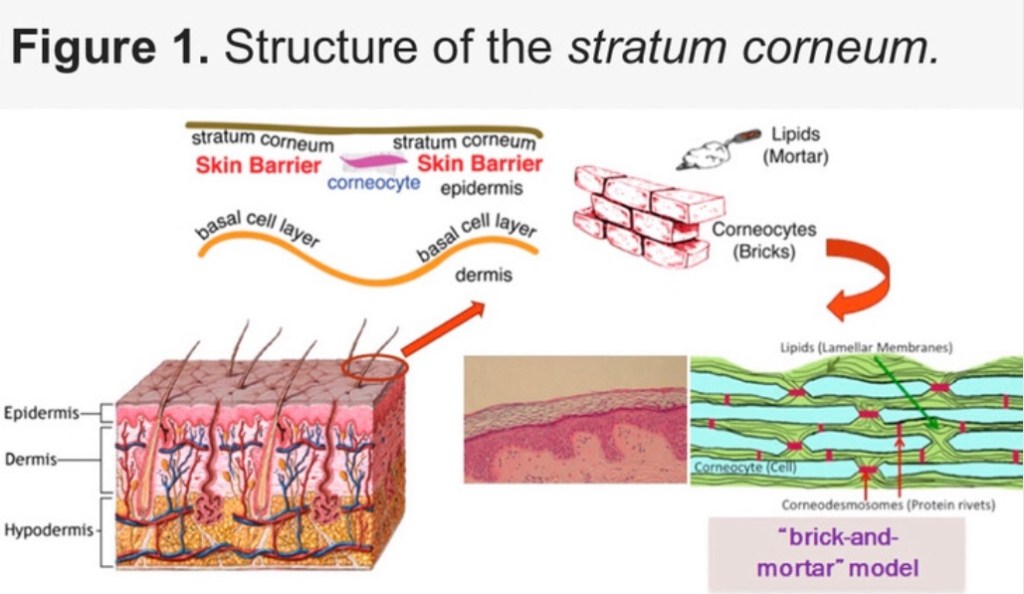
Your skin barrier is the outermost layer of your skin, called the stratum corneum. Think of it as your skin’s protective wall.
It works like a brick-and-mortar structure:
- Bricks = dead skin cells (corneocytes)
- Mortar = lipids (fats) made of ceramides, cholesterol, and fatty acids that hold everything together
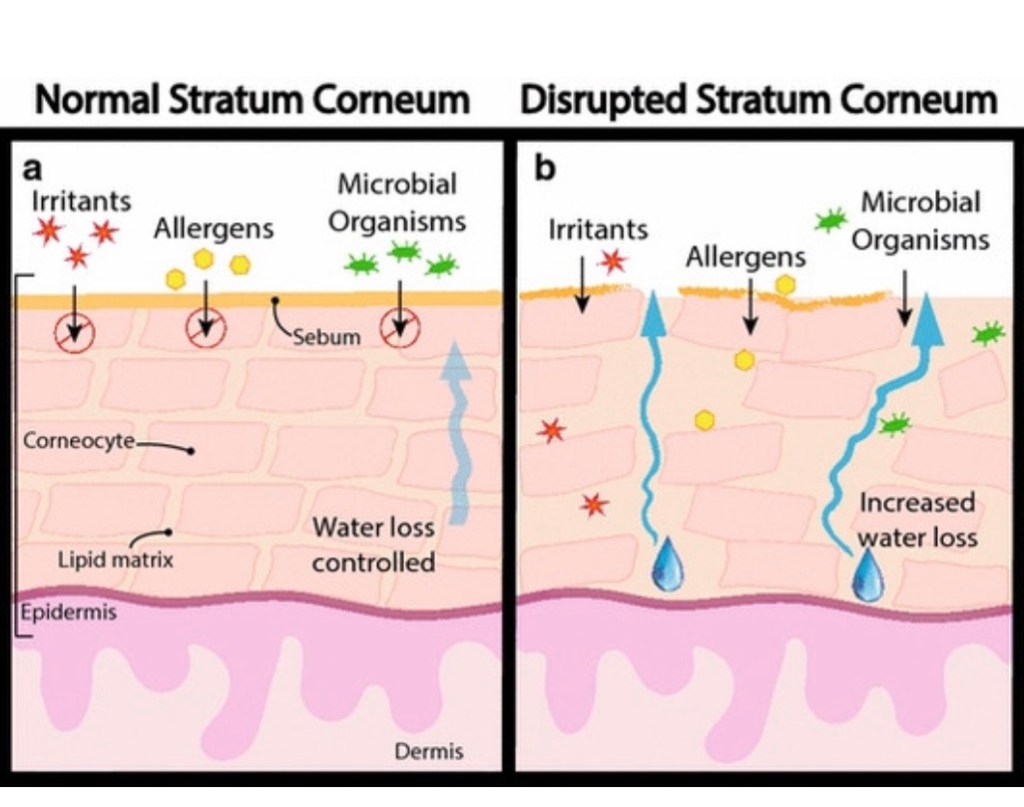
This wall does three critical jobs:
- Keeps moisture in (prevents transepidermal water loss)
- Keeps irritants, pollution, bacteria, and allergens out
- Maintains the right pH (slightly acidic “acid mantle” around 4.5–5.5) so good bacteria can thrive and bad ones don’t
When the barrier is healthy, your skin looks smooth, feels comfortable, and products work properly. When it’s damaged, everything goes wrong.
Why Does the Skin Barrier Get Damaged?
Common causes (especially among beginners in India):
- Over-exfoliation — Using acids (AHA/BHA), retinol, or physical scrubs too often or in high concentrations
- Harsh cleansing — Sulphate-heavy foaming washes, overwashing (common in humid/polluted cities)
- Too many actives too soon — Layering retinol + vitamin C + acids without building tolerance
- Environmental stress — Pollution (very relevant in Mumbai and other cities), UV exposure, hard water, extreme humidity or dryness
- Skipping moisturizer or using the wrong texture
- Using unregulated fairness/spot creams containing steroids or harsh ingredients
Indian skin is particularly vulnerable because higher melanin makes it prone to post-inflammatory hyperpigmentation (PIH) — any irritation can darken marks instead of fading them.
Signs Your Skin Barrier Is Damaged
You might notice:
- Tightness or dryness (even if your skin is oily)
- Stinging, burning, or itching when applying products that never bothered you before
- Redness or increased sensitivity
- More breakouts or acne that won’t settle
- Dull, rough, or flaky texture
- Pigmentation marks that are getting darker or not fading
- Products “pilling” or not absorbing well
If several of these sound familiar, your barrier likely needs repair before you add any new actives.
How to Repair Your Skin Barrier (Step-by-Step Protocol)
The goal is simple: Stop the damage + Give skin what it needs to rebuild + Protect it.
Phase 1: Stop the Damage (1–2 weeks minimum)
- Pause all exfoliants, strong retinol, vitamin C, and scrubs
- Stop using harsh cleansers, alcohol-based products, or fragrance-heavy items
- Simplify to the absolute basics
Phase 2: Gentle Daily Care (Core Repair Routine)
Morning
- Gentle cleanser — Sulphate-free, pH-balanced (once is enough)
- Hydrating serum (optional but helpful) — Hyaluronic acid or niacinamide
- Moisturizer — With ceramides, cholesterol, fatty acids, panthenol, or niacinamide
- Sunscreen — Broad-spectrum SPF 30+ every single day (non-negotiable)
Evening
- Gentle cleanser
- Moisturizer (you can use a slightly richer one at night)
- (Optional) Occlusive layer like squalane or a thin layer of petrolatum if skin is very dry/flaky
Phase 3: Reintroduce Actives Slowly (Only After Repair)
Once your skin feels comfortable (no stinging, no tightness, no new breakouts) for at least 1–2 weeks:
- Add one active at a time
- Start 2–3 times per week
- Buffer with moisturizer
- Listen to your skin — if irritation returns, pause again
Unspoiled’s approach aligns perfectly here — gentle, precise concentrations (like 8% Niacinamide + 2% Azelaic Acid) that support barrier health while addressing pigmentation and acne without overwhelming skin.
How Long Does Repair Take?
- Mild damage: 1–3 weeks
- Moderate damage: 4–6 weeks
- Severe damage: 6–12+ weeks
Skin cell turnover is roughly 28 days, so give it time. Consistency matters more than intensity.
Common Mistakes During Repair
- Adding actives back too early
- Using heavy creams in humidity (can cause fungal issues)
- Skipping sunscreen “because I’m staying indoors”
- Expecting instant glow — repair often looks like “calmer, less reactive skin” first
When to See a Dermatologist
See a professional if:
- Skin is severely inflamed, weeping, or infected
- You suspect steroid damage from fairness creams
- Issues persist after 4–6 weeks of proper repair
- You have underlying conditions (eczema, rosacea, etc.)
Final Takeaway
A healthy skin barrier is the foundation for everything else in skincare. Without it, even the best serums and actives won’t work well — and can actually make things worse.
Repairing it isn’t flashy or complicated. It’s about simplicity, gentleness, and consistency: clean with care, hydrate properly, protect daily, and give your skin time to heal.
Once your barrier is strong, your skin becomes more resilient, products perform better, and concerns like pigmentation and acne become much easier to manage.
Would you like me to turn this into a full blog post (with title, meta, and visuals suggestions) like the previous one? Or expand any section (e.g., ingredient deep-dive, Indian climate-specific tips, or a